
Many patients delay vein treatment because of one big unknown: cost. They might experience aching, swelling, heaviness, and visible veins, but hesitate to schedule an appointment from uncertainty around insurance coverage.
The good news is that insurance can cover vein treatment. When vein disease affects your comfort, mobility, or overall health, your treatment may qualify for insurance coverage.
If you have been searching “does insurance cover vein treatment,” keep reading as our team at Florida Lakes Vein Center explores what qualifies for insurance coverage and when you should expect to pay out of pocket.
Table of Contents
- When Insurance Covers Vein Treatment
- Medical vs. Cosmetic Vein Treatment
- Which Vein Treatments Qualify for Coverage?
- Frequently Asked Questions
When Insurance Covers Vein Treatment
Insurance companies typically consider vein treatment medically necessary when the vein reaches a certain size, has a specific degree of reflux, and causes symptoms that affect your health or daily life.
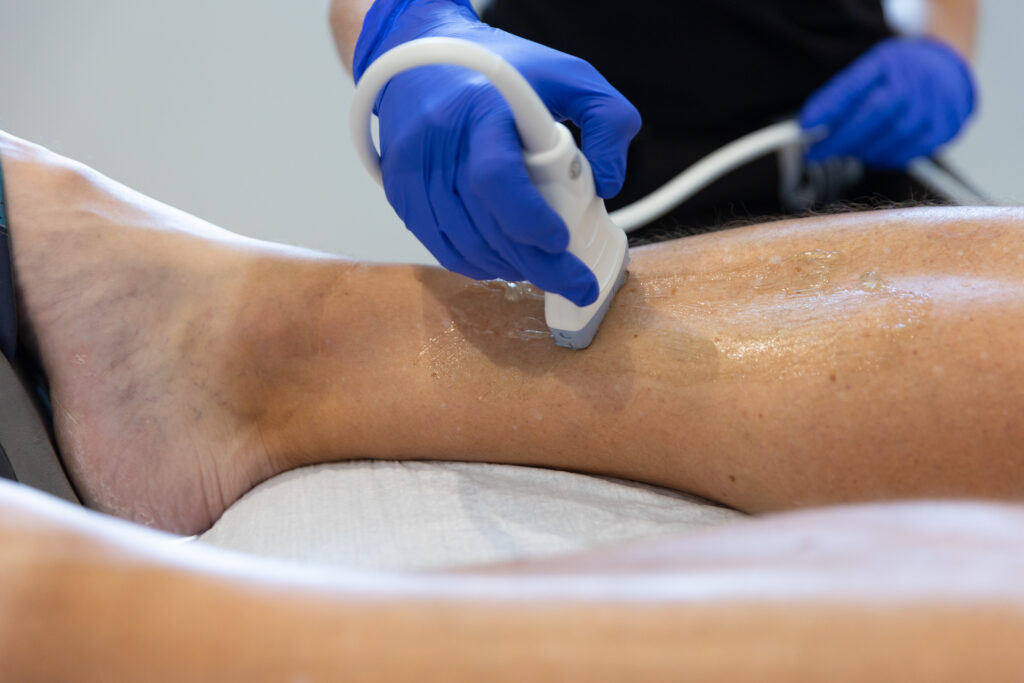
Our team uses ultrasound technology to evaluate the vein structure and function, which also helps us determine the medical necessity of treatment. We look at:
- Vein size: For treatment to meet necessity qualifications, a vein must reach 3 millimeters in diameter. This typically indicates that the vein has swollen to a larger size than its initial state.
- Venous reflux: Reflux refers to the amount of blood that flows backwards in the vein instead of upwards toward the heart because of a damaged valve. If your vein has 500 milliseconds or more of reflux, most policies classify it as medically necessary to treat.
When our ultrasound diagnosis confirms these factors, we might also diagnose the presence of vein disease, called chronic venous insufficiency (CVI). Insurance carriers often cover treatment once vessels reach this stage.
For patients asking, “Does insurance cover vein treatment?” the most important factor is confirming the size and condition of the vein.
Medical vs. Cosmetic Vein Treatment
Insurance plans generally separate vein procedures into 2 categories: medical treatment and cosmetic treatment.
Medical vein treatment focuses on improving symptoms caused by vein disease. For example, your plan might cover treatment for damaged veins that contribute to swelling, discomfort, or skin changes.
Cosmetic treatment focuses only on improving appearance. Many insurance plans do not cover procedures performed with the intention of solely improving the appearance of visible veins. These procedures are often elective and paid out-of-pocket.
What Insurance Plans Usually Require
Insurance requirements vary, but many plans need:
- A consultation with a vein specialist
- Documentation of symptoms
- A physical examination
- A review of your medical history
- Vein ultrasound results
- Documentation of previous treatments, when required
A vein ultrasound plays an important role in qualifying your care, because it helps providers evaluate circulation and identify the location and severity of concerns like reflux or damaged vein valves. This information helps our specialists at Florida Lakes Vein Center create a treatment plan based on your vein health.
Which Vein Treatments Qualify for Coverage?
Coverage depends on:
- Your diagnosis
- Your specific insurance plan
- The carrier’s medical necessity requirements
However, insurance companies typically cover treatment once your vein(s) reach a specific threshold.
Our vein center offers several treatments for vein disease, all of which require no surgery, incisions, or long downtime. We consider these options for vein health for when our patients ask, “Does insurance cover vein treatment?”
VenaSeal
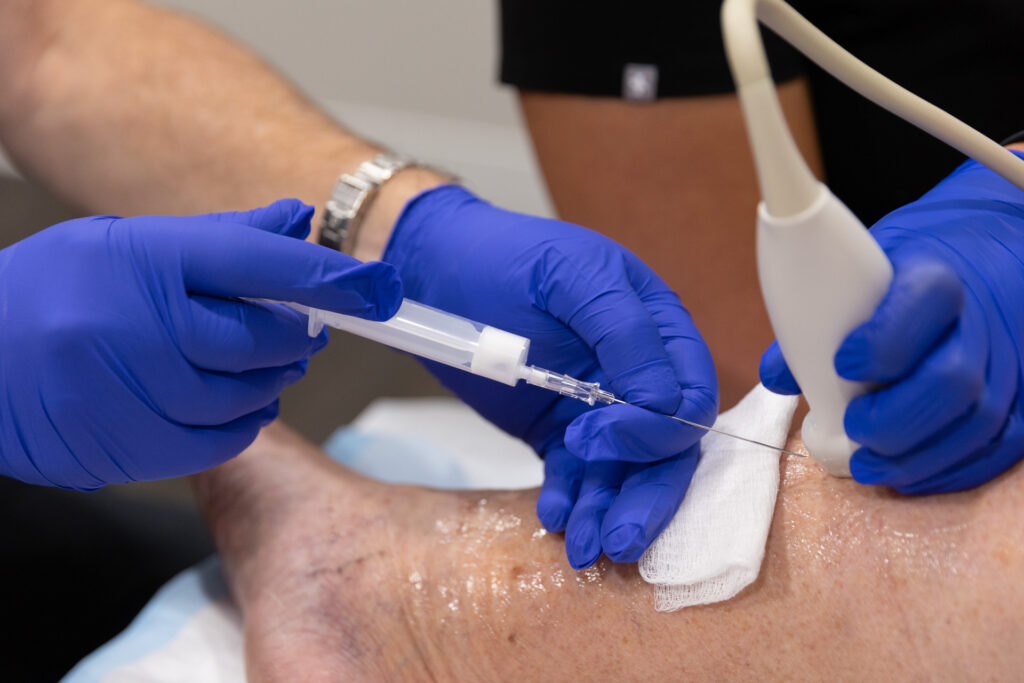
VenaSeal uses medical adhesive to close damaged veins and redirect blood flow through healthier vessels. VenaSeal requires a single appointment and has no associated downtime afterward.
Varithena
Varithena uses microfoam to treat varicose veins and improve symptoms caused by unhealthy blood flow. The specialized solution irritates blood vessel walls, causing them to collapse, which routes blood flow to healthy nearby vessels. Varithena takes around 4 appointments to fully collapse the vein.
Wound Care
When vein disease contributes to venous ulcers, wound care helps support healing while your provider evaluates the circulation problems affecting the ulcers.
What Treatment Is Usually Not Covered?
If you are wondering, “Does insurance cover cosmetic vein treatment?” the answer is typically no. Insurance does not cover treatments performed only for cosmetic reasons. This might include spider vein treatment for appearance-related concerns rather than vein disease.
If your primary concern is cosmetic, we can explain your available options and what costs you may need to consider.
How Florida Lakes Vein Center Helps With Insurance
Insurance requirements can feel overwhelming. Our vein specialists help patients understand their treatment recommendations and what steps may come next.
Before treatment, our team talks through:
- Why we recommended a certain treatment
- What diagnostic testing you may need
- What information insurance companies typically request
- What questions to ask your insurance provider
While every insurance plan has different requirements, we can make the process easier to understand.
If you are still asking, “Does insurance cover vein treatment?”, the best way to find out is to begin with an evaluation of your symptoms and vein health.
Frequently Asked Questions
To help you understand more about potential insurance coverage and considerations when selecting a vein provider, we answer a few commonly asked questions.
If you have questions that we don’t cover, please don’t hesitate to contact our office.
Does Medicare cover vein treatment?
Medicare can cover vein treatment when it is medically necessary and meets coverage requirements. Coverage depends on your diagnosis, symptoms, and documentation. Patients should confirm their individual benefits before scheduling treatment.
Do I need a referral to see a vein specialist?
Referral requirements depend on your insurance plan. Some carriers require referrals for specialty care, while others allow patients to schedule directly.
To see if you need a referral to schedule a treatment at Florida Lakes Vein Center, contact your insurance provider or our team to understand what applies to your situation.
What happens if insurance denies my vein treatment?
If insurance denies your treatment, your provider can explain the reason for the denial and discuss possible next steps.
Depending on your situation, you might have options to submit additional documentation or make an appeal. We can also adjust your treatment plan based on your needs and discuss potential out-of-pocket costs.
How much does vein treatment cost out of pocket?
Out-of-pocket costs and copays vary based on your insurance coverage, deductible, treatment type, and individual benefits.
For cosmetic procedures like sclerotherapy, you can expect each appointment to cost around $300.
Will I need to try conservative treatments before vein treatment is covered?
Some insurance plans require patients to try conservative treatments before approving certain vein procedures. These approaches may include:
- Compression therapy
- Leg elevation
- Regular movement
- Other lifestyle recommendations designed to reduce symptoms.
Our team at Florida Lakes Vein Center evaluates your vein health, symptoms, and medical history to determine the appropriate next steps and provide the documentation needed for your care.

Explore Your Treatment Options and Coverage
Understanding insurance coverage should not prevent you from seeking answers about your vein health. Still wondering, “Does insurance cover my vein treatment?” doesn’t make you feel confident going into an appointment, so we help you understand your vascular health and what that means for insurance coverage.
Our vein specialists discuss your symptoms, evaluate your circulation, and explore treatment options that fit your needs. To discuss possible care and coverage, request a screening with our team.