
One of the ways we lead the region as vein specialists is by providing comprehensive care—no matter what brings you through our doors. This means we can address every aspect of vein disease, from small spider veins to more serious blood clots.
At Florida Lakes Vein Center, we help patients enhance their vascular health to relieve symptoms, improve quality of life, and reduce the possibility of dangerous complications.
One of the more serious side effects of vein disease, deep vein thrombosis (DVT), happens when blood clots form in the deep veins of your legs.
Thankfully, Dr. T.C. Lackey II, D.O. and our other specialists handle deep vein thrombosis treatment near Longboat Key in a swift and precise manner.
Keep reading to explore how we treat DVT, or jump ahead to get answers to:
- Questions About DVT Diagnosis and Treatment
- Questions About DVT Causes and Symptoms
- Questions About Preventing DVT and Vein Disease
FAQs About DVT Diagnosis and Treatment
Let’s answer a few common questions we hear about DVT treatment at Florida Lakes Vein Center, so you know what to expect when you come to our clinic.
How does Florida Lakes Vein Center diagnose DVT?
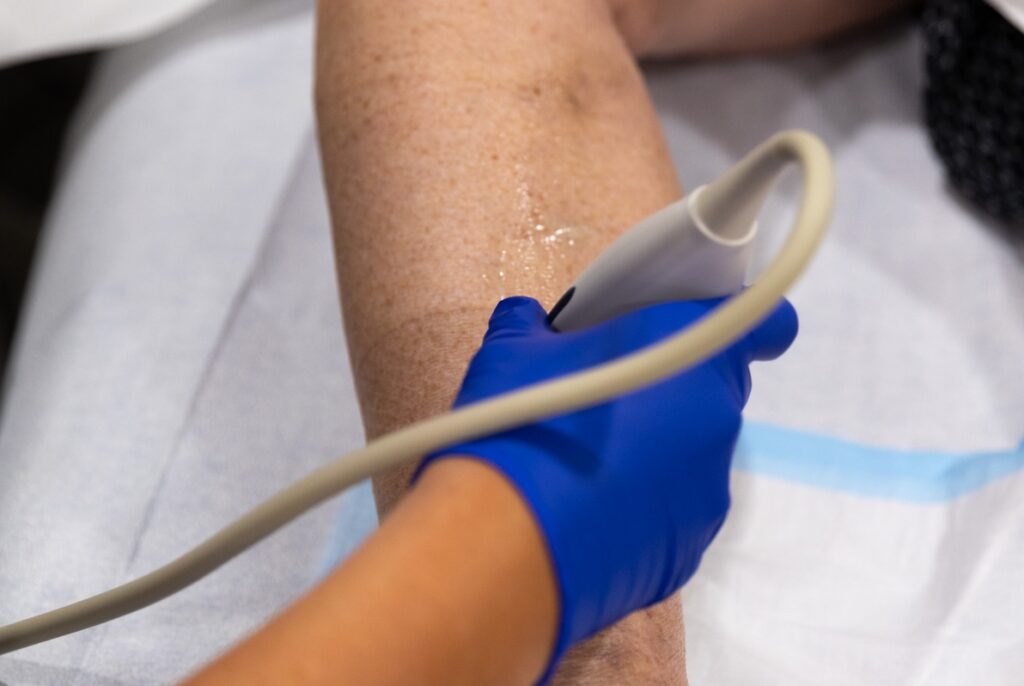
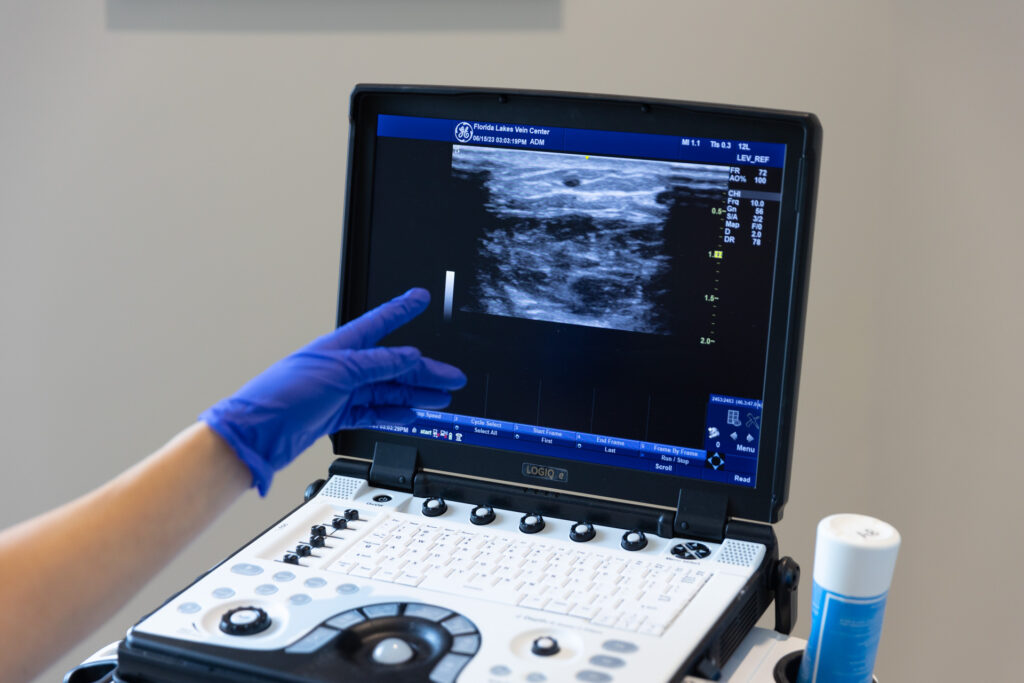
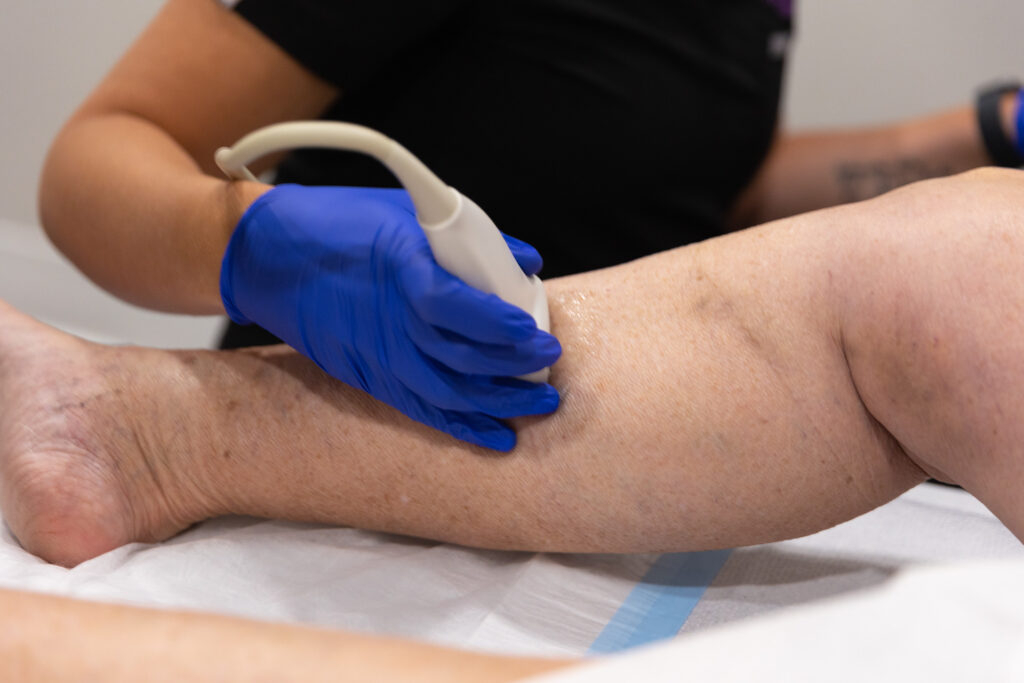
We determine if you have deep vein thrombosis through a vein ultrasound. These technologies allow us to see the affected veins, surrounding tissues, and any points where blood flow becomes obstructed by a blood clot.
When you come to us for a deep vein thrombosis screening, we use 2 types of vein ultrasounds to evaluate and confirm whether you have a blood clot.
- Doppler ultrasound monitors blood flow and locates any areas with malfunctioning valves, poor circulation, or blood clots. We can also measure how much blood flows backwards and pools, a condition known as venous reflux, which can lead to blood clots.
- Duplex ultrasound combines the technology of Doppler ultrasound with traditional ultrasound to produce images of the vascular structure and blood flow. With Duplex, we can visualize the size and location of a potential blood clot.
Through this process, we can rule out or confirm the presence of deep vein thrombosis. If we find a blood clot, we begin treatment immediately.
What does DVT treatment look like?
If your vein ultrasound indicated deep vein thrombosis, treatment near Longboat Key first consists of medication to control the clot. Dr. Lackey prescribes blood thinners to help manage the clot, and he might suggest you wear compression stockings to regulate blood flow.
However, if your deep vein thrombosis requires emergency attention, we can refer you to an interventional physician, who can suggest an alternative route for treatment.
How do blood thinners work?
We prescribe blood thinners (anticoagulants) to our patients who have deep vein thrombosis to help break up the clot and enhance circulation.
Typically, we use Eliquis and Xarelto, 2 brands of oral blood thinners. Dr. Lackey and your pharmacist instruct you on how to take the medication properly, usually twice a day with food.
Many people believe that blood thinners dissolve the blood clot. While the medications don’t actively dissolve it, they interfere with the clotting process to reverse coagulation (solidified blood), giving your body time to break it down naturally.
Blood thinners can treat DVT by:
- Preventing the clot from growing larger by thinning the blood.
- Reducing the risk of other blood clots.
- Controlling the clot and preventing it from breaking off and traveling to the lungs.
- Helping the body naturally dissolve the clot, which prevents long-term complications or additional damage to the surrounding veins.
To confirm that the medication is working, we schedule periodic check-up appointments. Here, we perform an additional vein ultrasound to see the progress of the clot thinning out and the success of deep vein thrombosis treatment near Longboat Key.
What happens if DVT isn’t treated?
If deep vein thrombosis goes untreated, it can develop into a potentially life-threatening condition. A pulmonary embolism occurs when a clot in the deep veins of your legs breaks off from the vein wall and travels upwards to the lungs.
A blood clot in the lungs is a medical emergency. As the clot blocks blood flow and oxygen in the lungs, it can cause heart or lung damage. Without quick intervention, it can even be fatal.
If you have a pulmonary embolism, you might experience:
- Shortness of breath
- Sharp pain in the chest, back, shoulders, and neck
- Pale and clammy skin
- Fast breathing or wheezing
- Rapid heartbeat, possibly accompanied by dizziness or lightheadedness
If you experience any of the symptoms of a pulmonary embolism, call an emergency line.
If you suspect DVT, come to our office for deep vein thrombosis treatment near Longboat Key immediately. We use our advanced ultrasounds to explore the veins, possible obstructions, and to detect any damage to the tissues.
FAQs About DVT Causes and Symptoms
If you don’t know for sure whether you have deep vein thrombosis, but you are curious about the symptoms and causes, keep reading as we answer a few questions.
We help our patients understand everything they need to know about vein disease, so they can stay informed and be proactive about vein concerns.
What causes deep vein thrombosis?
Deep vein thrombosis occurs when a blood clot forms in the deep veins of your body, most commonly in the legs. These blood clots can happen when anything impairs blood flow. Common factors include specific medication use, long periods of immobility, or genetic factors, but in any case, slow blood flow can cause DVT.
What are the symptoms of DVT?
Sometimes, knowing when to seek treatment for DVT can be difficult, as many people have a deep leg clot without recognizable side effects. Researchers suggest that up to 50% of people with DVT don’t show symptoms, and the clot may go unnoticed.
That’s one of the reasons why proactive vein screenings matter—they can identify concerns and give time to treat clots or vein disease before they create significant negative effects.
If you have deep vein thrombosis, possible symptoms include:
- Swelling in the affected leg, which could happen suddenly.
- Pain or tenderness that might worsen with walking or standing.
- Warmth or discoloration that accompanies the swelling.
- Veins at the surface of the skin that appear larger and more swollen than normal.
If you notice any of these symptoms, contact our clinic or request a screening to receive deep vein thrombosis treatment near Longboat Key.
Sometimes, we find that varicose veins or other conditions cause swelling that patients mistake for DVT. During your screening, we can perform an ultrasound to explore the root of your symptoms and create a tailored treatment plan to enhance your vein health, whether or not you have DVT.
Who is at risk for DVT?
While the risk of deep vein thrombosis increases as you age, it can affect anyone at any time. The primary cause of DVT is poor blood flow through a damaged vein, although genetics and lifestyle factors can also put you at a higher risk for blood clots.
Risk factors that might influence your chances of deep vein thrombosis include:
- Lifestyle factors, including obesity, smoking, and the use of birth control pills, which can all damage veins and alter blood consistency, making it more likely to clot.
- Immobility, which might be caused by bed rest after a surgery, recovering from an injury, or long periods of travel.
- Medical factors, like high blood pressure, diabetes, and cancers, which affect blood flow.
- Existing vein conditions, such as varicose veins or chronic venous insufficiency. Previous instances of deep vein thrombosis can also affect vascular health and weaken veins so clots are more likely to develop in the future.
- Genetic factors, such as family history of vein disease, blood clots, and deep vein thrombosis.
Dr. Lackey and the vein specialists at Florida Lakes Vein Center help you take a proactive role in your vein health. If you find yourself at risk for DVT, we can perform screenings and vein ultrasounds to help you understand your vein health.
FAQs About Preventing DVT and Vein Disease
Let’s discuss how you can prevent vein complications and the need for deep vein thrombosis treatment near Longboat Key. Especially if you have a high risk for developing a blood clot, adopting these habits can enhance your blood flow and support your well-being.
How can I prevent DVT?
You can reduce the risk of deep vein thrombosis by adopting healthy lifestyle habits that improve your circulation and minimize damage to veins. Our team educates patients to help them optimize their vascular health.
To reduce the risk of DVT, Dr. Lackey recommends:
- Staying active by walking and stretching your calves. If you tend to sit or stand for long periods during the day, flex your ankles or take breaks to walk around.
- Using compression stockings to regulate blood flow, especially when travelling or during periods of immobility.
- Making lifestyle changes such as eating a healthier diet and stopping smoking.
- Managing medical conditions that can affect circulation and put you at a greater risk of blood clots.
- Proactively scheduling evaluations if you have risk factors, so a vein specialist can evaluate your circulation and vein health to identify possible concerns before they become serious.
What treatments at Florida Lakes Vein Center can prevent DVT?
Chronic venous insufficiency (CVI) can impact circulation and lead to deep vein thrombosis. Treatment near Longboat Key for existing vein conditions can greatly reduce the risk of compromised blood flow and blood clots.
At our clinic, we use 2 nonsurgical methods to collapse varicose veins and encourage healthy circulation:
- Varithena consists of an FDA-approved microfoam that closes varicose veins.
- VenaSeal, a medical-grade adhesive, seals off varicose veins.
Both of these treatments reroute blood flow to healthier veins, reducing the risk of obstructed blood flow. During your vein screening, we can check for varicose veins and discuss treatment options that can reduce the risk of DVT.
Don’t Wait for DVT Treatment
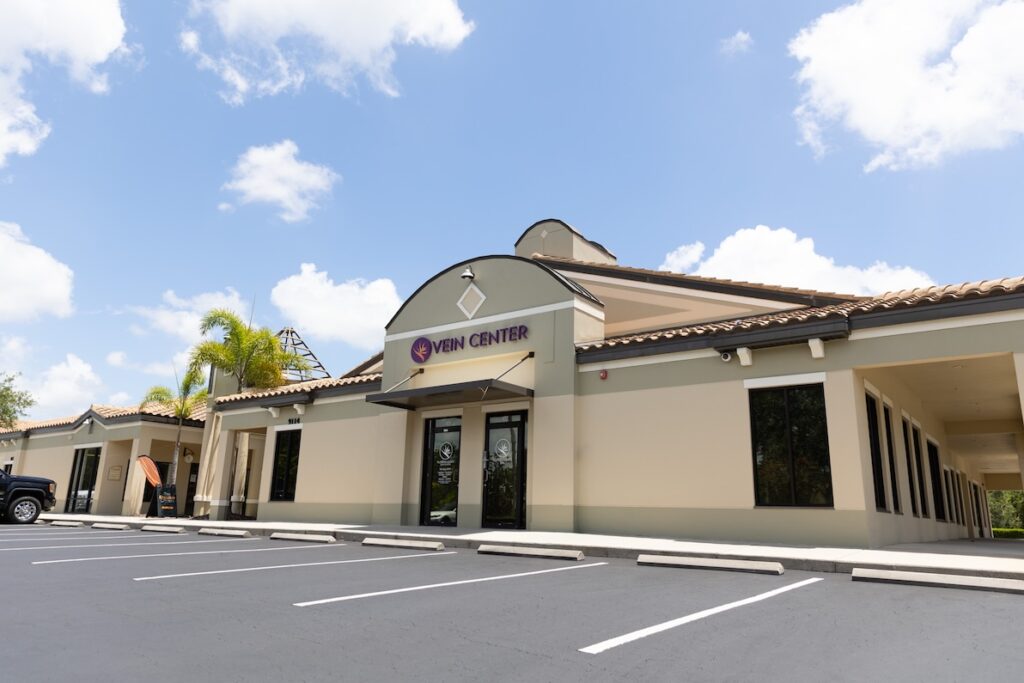
Near Longboat Key, our team helps patients who experience deep vein thrombosis. Led by Dr. Lackey, the best vein specialist, we use ultrasounds and medications to control the condition in a swift manner to prevent further complications.
Request a screening if you have symptoms or have high risk factors of deep vein thrombosis. If you have other vein concerns, use our vein screening tool to explore your treatment options.