
Most venous ulcers occur on the leg—where most other vein problems occur as well. We typically find venous ulcers on the inside of the leg, near or around the ankle.

Venous ulcer treatment in Lakewood Ranch
Receive Treatment For Your Venous Ulcer
When Should You Seek Venous Ulcer Treatment?
A leg wound that does not heal normally should be evaluated by a vein specialist. Request venous ulcer treatment in Lakewood Ranch with our experts if your wound:
- Has not improved after several weeks
- Continues to reopen
- Drains fluid or has an odor
- Becomes increasingly painful
- Develops redness, warmth, or swelling
- Appears near your ankle or lower leg
- Occurs alongside varicose veins or leg swelling
Venous ulcers often require more than surface wound care. Addressing the circulation problem behind the wound can support the healing process and help prevent infection.

Get Relief From Painful, Chronic Ulcers
Get Relief From Painful, Chronic Ulcers
If you have been experiencing pain from a shallow sore, usually on the inside of your calves, you may have a venous ulcer. Without treatment, they worsen with time and put you at a risk for infection.
The vein specialists at Florida Lakes Vein Center have the expertise you need to care for your venous ulcer and give you relief from chronic pain.
The vein specialists at Florida Lakes Vein Center have the expertise you need to care for your venous ulcer and give you relief from chronic pain.
If you have been experiencing pain from a shallow sore, usually on the inside of your calves, you may have a venous ulcer. Without treatment, they worsen with time and put you at a risk for infection.

If you have been experiencing pain from a shallow sore, usually on the inside of your calves, you may have a venous ulcer. Without treatment, they worsen with time and put you at a risk for infection.
Discover A Broad Scope of Advanced Vein Treatments
Are you frustrated with unsightly and uncomfortable vein disorders? Our team provides cutting-edge treatments for vein disease. Visit Florida Lakes Vein Center—”It’s a No Veiner!”


Deep Vein Thrombosis
Effective treatment for deep vein thrombosis include anticoagulant therapy among other approaches.
Learn more
Venous Ulcers
We provide effective wound care services for venous ulcers that struggle to heal.
Learn moreWhat Venous Ulcer Treatment Addresses
A venous ulcer is more serious than a clean wound on the surface of the skin. These slow-healing sores often develop because of circulation problems in the legs.
Damaged vein valves allow blood to flow backward and collect in the lower legs, which builds pressure inside the veins. Over time, this pressure can affect the surrounding skin and make it more difficult for wounds to heal.
Our effective venous ulcer treatment in Lakewood Ranch focuses on both the wound itself and the vein concerns contributing to the problem. Caring for the open sore helps protect the skin, while addressing circulation issues can create a better environment for healing.
Supporting Wound Healing
We personalize every venous ulcer treatment plan based on the size of the wound, your symptoms, and your overall health.
Your care might include:
- Cleaning and protecting the wound
- Specialized wound dressings
- Swelling management
- Compression therapy
- Monitoring healing progress
- Guidance for caring for your skin at home
Your provider explains each step of your care plan and what changes to watch for during the healing process.
Treating the Vein Problem Behind the Wound
Many patients also need to address underlying chronic venous insufficiency (CVI) as an important part of long-term care.
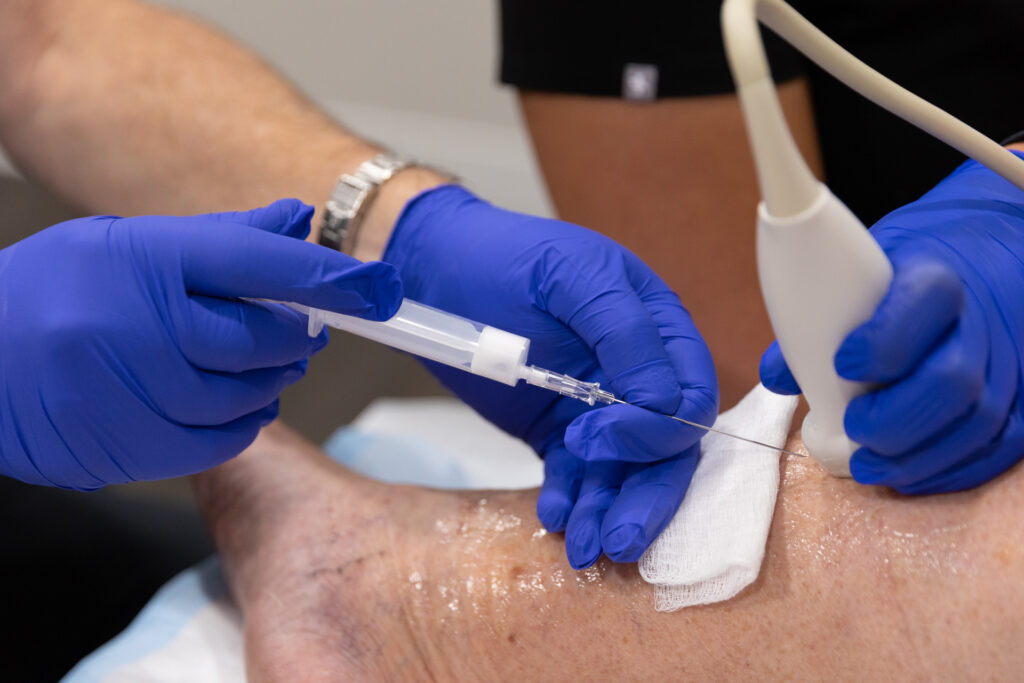
If vein disease contributes to increased pressure in the legs, your provider may recommend combining venous ulcer treatment in Lakewood Ranch with options such as VenaSeal, Varithena, or other approaches based on your diagnosis.
By improving circulation and reducing problematic pressure, vein treatment helps support wound healing and reduce the risk of future complications.
What Recovery Looks Like After Venous Ulcer Treatment
Healing a venous ulcer takes time, and every patient’s recovery timeline looks different. Factors such as the size and location of the wound, how long it has been present, existing circulation, and overall health all affect healing.
During recovery, your wound care includes follow-up visits with our team to clean and protect the wound, while you have requirements for tending to the wound at home.
Many patients notice gradual changes rather than overnight results. Wearing compression when recommended, staying active, protecting your skin, and attending follow-up appointments can all support healthier legs and prevent infection.
Planning Your Venous Ulcer Treatment Plan
Every patient who visits Florida Lakes Vein Center receives a complimentary vein screening followed by a consultation to determine the best course of action for treating a venous ulcer.


What Causes Venous Ulcers?
Chronic Venous Insufficiency
Chronic venous insufficiency causes blood to pool in your veins and increases the pressure on those valves. Over time, the rising pressure ruptures the veins, and the leaking fluid breaks down nearby skin.
Damaged Veins
Damaged veins from surgery, inflammation, infection, or an acute injury can affect blood circulation and increase pressure on the veins, resulting in a venous ulcer.

Additional Risk Factors
Certain factors can increase the possibility of developing venous ulcers, including:
- Varicose veins
- Deep vein thrombosis
- Blockage of lymph vessels
- Aging
- Being overweight
- Smoking
- Pregnancy
- Genetics/Family history
See Which Treatments Fit Your Symptoms
Match Your Symptoms to Treatment
Walk us through your leg symptoms and history. We match them to the treatments that could help, so your consultation starts with a plan instead of a blank page.

Check Your Vein Health in Minutes
Free Online Vein Check
Tell us which leg symptoms you feel and how long they’ve lasted. We review your answers and email your results. See if a screening is your next step.

Venous Ulcer FAQs
As pressure increases on the vein, the valve can eventually rupture and leak fluid into the surrounding tissue. Over time, the tissue breaks down and results in a visible venous ulcer on your skin.
Your sore may be a venous ulcer if it is swollen, near your ankle, and accompanied by pain or itching. It may also discharge a foul-smelling liquid and have hardened skin.
A venous ulcer can return if the underlying vein problem continues to affect circulation. After your venous ulcer treatment in Lakewood Ranch, take steps to minimize your risk of recurrence:
- Protect your skin
- Follow compression recommendations
- Stay active
- Address vein concerns
We can monitor your vein health and recommend additional care when needed.
Healing time depends on the wound’s size, depth, cause, blood flow, and your overall health. Minor wounds can show steady improvement within days or weeks, while chronic wounds can take much longer.
The pressure buildup from poor circulation limits the oxygen and nutrients the tissue receives and makes it harder for the skin to repair itself. Infection, diabetes, repeated pressure on the wound, and other health conditions can also delay healing.
Treating both the wound and the factors slowing its recovery can support more effective healing.


About Florida Lakes Vein Center


Florida Lakes Vein Center administers the highest quality venous ulcer treatment in Lakewood Ranch. Our experienced vein specialist TC Lackey II, D.O. leads a team of compassionate professionals who take the time to listen to patients and obtain a comprehensive medical history before recommending any vein treatment.
Our expert medical team has helped more than 1,000 patients across the region with their venous ulcers and other vein diseases.
What’s Next for Treating Your Venous Ulcer


